Filtration effect of Cordyceps chanhua mycoderm on bacteria and its transport function on nitrogen
Gongping Hu,1 Yeming Zhou,1 Dan Mou,2 Jiaojiao Qu,1,3 Li Luo,1 Lin Duan,1 Zhongshun Xu,1 Xiao Zou1
AUTHOR AFFILIATIONS See affiliation list on p. 18.
ABSTRACT Cordyceps chanhua is a kind of entomopathogenic fungus that has a long medicinal history in traditional Chinese medicine. In this study, we aimed to explore the role of C. chanhua mycoderm. Our results showed that C. chanhua mycoderm has a certain ability to transfer nitrogen, which can transfer nitrogen from the insect body to the external environment and transfer nitrogen from the environment to C. chanhua. By studying the filtration of bacterial mycoderm, it was found that the mycoderm of C. chanhua was able to filter out most of the bacteria in the environment. Using the high-throughput sequencing methods, we found that the abundance of bacterial community first increased and then decreased during the growth and development of C. chanhua. The bacterial richness and diversity of mycoderm of C. chanhua cultivated in sterile glass bottles were significantly lower than those cultivated in soil mulching. In addition, this study also found that the mycoderm of C. chanhua formed under both soil mulching cultivation and sterile glass bottle cultivation was hydrophobic. The mycoderm of C. chanhua, which occurred under sterile glass bottle cultivation, was closely and orderly arranged, while the mycoderm of C. chanhua cultivated in soil was quite the opposite. The density and thickness of the C. chanhua membrane in aseptic glass bottle culture were higher than those in soil-covered culture, but the dry/fresh weight was lower than those in soil-covered culture.
IMPORTANCE During the natural growth of Cordyceps chanhua, it will form a mycoderm structure specialized from hyphae. We found that the bacterial membrane of C. chanhua not only filters environmental bacteria but also absorbs and transports nitrogen elements inside and outside the body of C. chanhua. These findings are of great significance for understanding the stable mechanism of the internal microbial community maintained by C. chanhua and how C. chanhua maintains its own nutritional balance. In addition, this study also enriched our understanding of the differences in bacterial community composition and related bacterial community functions of C. chanhua at different growth stages, which is of great value for understanding the environmental adaptation mechanism, the element distribution network, and the changing process of symbiotic microbial system after Cordyceps fungi infected the host. At the same time, it can also provide a theoretical basis for some important ecological imitation cultivation technology of Cordyceps fungi.
KEYWORDS Cordyceps chanhua, bacterial community, mycoderm morphology, nitrogen transport, selective filtration
Editor Chengshu Wang, Chinese Academy of Sciences, Shanghai, China
Ad Hoc Peer Reviewers Caihong Dong, Institute of Microbiology, Chinese Academy of Sciences, Beijing, China; Bo Huang, Anhui Agricultural University, Hefei, Anhui, China
Address correspondence to Xiao Zou, xzou@gzu.edu.cn.
The authors declare no conflict of interest.
See the funding table on p. 19.
Received 19 March 2023
Accepted 4 November 2023
Published 15 December 2023
Copyright © 2023 Hu et al. This is an open-access article distributed under the terms of the Creative Commons Attribution 4.0 International license.
Cordyceps chanhua is a parasitic complex fungus formed by Cordyceps fungi parasitizing cicada insects (1). C. chanhua is composed of five five parts, which are coremium, spore powder, mycoderm, insect body wall, and inner sclerotia (Fig. 1), and its growth and development are closely related to its habitat (2, 3). C. chanhua was recorded for the first time in the Lei Gong’s Theory of Blazing written by Lei Xiao in the Northern and Southern Dynasties, 800 years earlier than Cordyceps sinensis (4, 5). Chinese scholar Li Zengzhi found the sexual C. chanhua, classified it as a new species of the genus Cordyceps, and named it Cordyceps chanhua with the ancient name of C. chanhua (6). As a traditional Chinese herbal medicine, C. chanhua has many effectiv e ingredients such as nucleoside, ergosterol, polysaccharide, cordyceps acid, polyglobulin, amino acid, and fatty acid (7–9). In terms of medicinal value, C. chanhua has antibacterial and antioxidant properties (10), anti-tumor properties (11), enhanced immune regulation (12), protected and improved renal function (13, 14), anti-aging (15), anti-fatigue (16), hypoglycemic (17), and other pharmacological effects. As an entomopathogenic fungus, C. chanhua is pathogenic to a variety of agricultural pests, including Lepidoptera, Homoptera, and Hemiptera, such as Plutella xylostella, Trialeurodes vaporariorum, Coptotermes formosanus, and aphid (18–20). In addition, C. chanhua is also widely used in daily life; an interesting study reported that C. chanhua has a high flocculation effect on coal washing wastewater in early research (21).
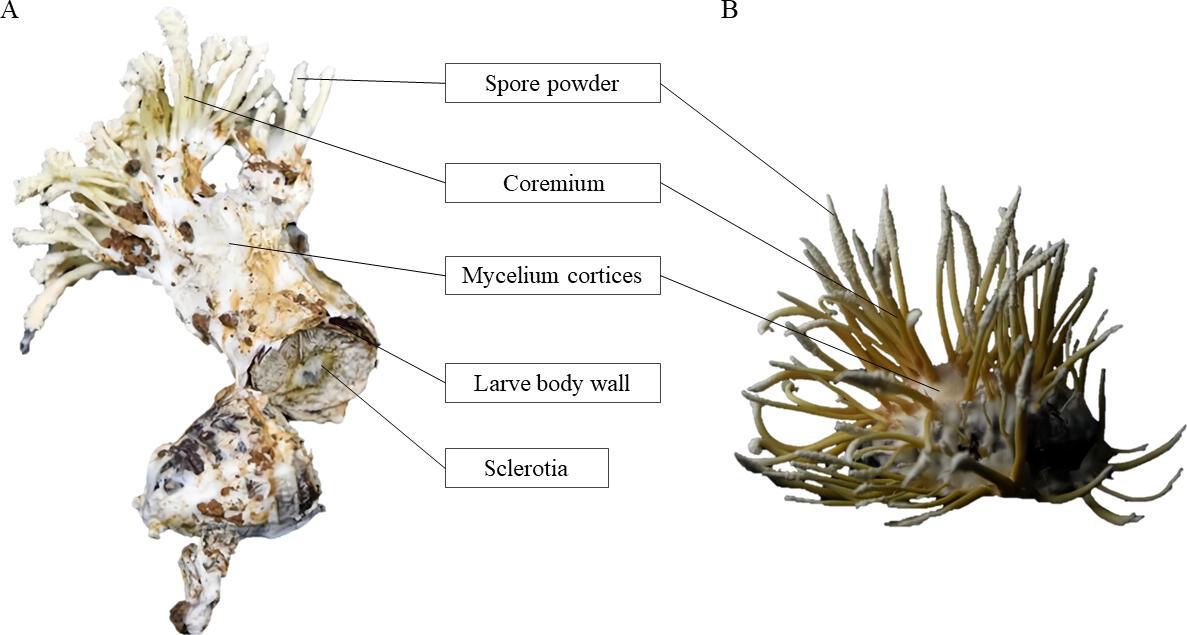
FIG 1 Schematic diagram of the structure of the C. chanhua. (A) Soil-covered cultivated C. chanhua. (B) Sterile glass bottle cultivated C. chanhua.
The artificial cultivation techniques of C. chanhua include liquid fermentation, solid culture, insect body culture, and ecological mulching soil culture (22, 23). Among these methods, the insect body part and fruiting body part of C. chanhua cultivated in insect body culture and ecological mulching soil culture can be harvested and have similar appearance characteristics to wild C. chanhua, which make them more popular (2, 24). Our previous research found that the contents of several major active substances, such as cordycepin and adenosine in the bionic soil-covered C. chanhua, were similar to those in the wild C. chanhua (3). Therefore, from the perspective of active ingredients, the soil-covered C. chanhua can be substituted for the wild C. chanhua.
At present, most studies on the morphological characteristics of Cordyceps fungi focus on the hypha, sclerotium, stroma, and ascus structures of cordyceps (25–27). However, as the contact surface between C. chanhua and the external environment, the morphological characteristics of the mycoderm has not been reported. Previous studies have found that the relative abundance of other fungi in the sclerotia of C. chanhua was relatively low while the bacterial community was relatively rich (1, 3, 28). The mycoderm is the interface between C. chanhua and the environment, while the microbial community richness of entomopathogenic fungal mycoderm is significantly higher than that of inner sclerotia and bacteriosphere soil (29, 30). Therefore, exploring the biofiltration effect of C. chanhua membrane on a bacterial community is a specific priority in this study.
In this study, we analyzed the bacterial community of the inner sclerotium and mycoderm of C. chanhua at different growth stages and under different cultivation environments by high-throughput sequencing. We also analyzed the filtration effec t of C. chanhua membrane on bacterial communities. In addition, we also analyzed the nitrogen transport function of the membrane of C. chanhua.
RESULTS
Bacterial microbial diversity in sclerotia and mycoderm of C. chanhua at different growth stages
Alpha diversity analysis
The dilution curve analysis found that the Shannon-Wiener curve in this study tends to be flat with the increase of the number of sample sequences, indicating that the amount of sequencing data is reasonable and the sequencing depth can cover most of the microbial diversity information in the sample bacterial community (Fig. S1). After optimization, 2,112,984 valid sequences were detected in 27 samples of this sequencing, with a total of 898,572,190 bases. Each sample was 40,387–90,034, with an average sequence length of 425 bp. The optimized sequence was clustered by operational taxonomic unit(OTU) with 97% consistency. A total of 3,850 OTUs of 1,785 species, 953 genera, 429 families, 41 phyla, 101 classes, and 202 orders were detected in nine groups of samples of sclerotia and mycoderm in C. chanhua in different cultivation environments and different growth stages.
The α diversity index of different samples was compared and analyzed, and the coverage index of each sample was more than 99%, pointing that the data measured by this sequencing can adequately reflect the diversity of the bacterial community in the sclerotia and the mycelium of C. chanhua (Table 1). The Ace and Chao indexes in sclerotia of C. chanhua in different cultivation periods wereu 90,059–414,584 and 66,074–409,652, respectively. There was no significant difference between sclerotia bacterial richness of C. chanhua cultivated in sterile glass bottles and covered with soil in differen t growth stages (P > 0.05); the results showed that the bacterial community structure of sclerotium samples in C. chanhua in different growth stages was similar. The Ace and Chao indexes of sclerotia in the two stages of C. chanhua covered with soil were 338,996–414,584 and 299,156–409,652, respectively, and the richness was significan tly higher than that in the sclerotia samples of C. chanhua under aseptic cultivation (P < 0.05). It can be seen from Table 1 that the richness and diversity of C. chanhua mycoderm under soil mulching cultivation are significantly higher than those under aseptic cultivation and were conducted to prove that different cultivation environments can affect the composition and diversity of bacterial community of C. chanhua mycoderm. The bacterial community richness of soil-covered C. chanhua in the mycoderm forming stage was significantly higher than that of mature C. chanhua and showed that the number of bacterial species in the mycoderm forming stage was large. In each mycoderm sample, at the phyla level, the bacterial community composition of C. chanhua mycoderm in each stage of soil-covered cultivation and sterile glass bottle cultivation is similar (Fig. S2A). At the genus level, the composition of bacterial communities in the film of C. chanhua under soil mulching cultivation is relatively complex, and the composition of bacterial communities in the film formation stage and mature stage is similar (Fig. S2B).
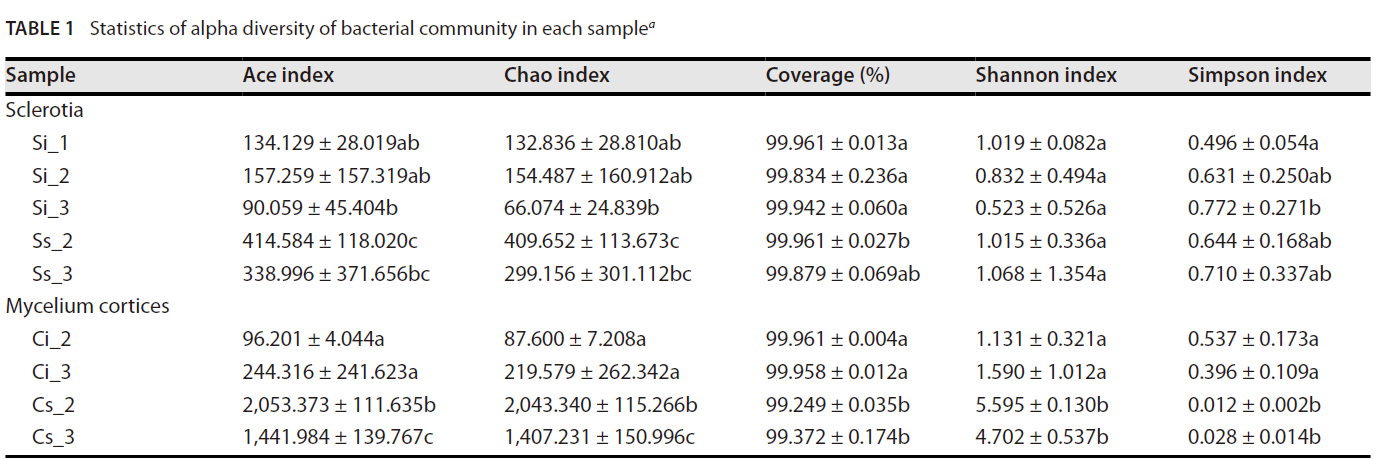
aThe S is expressed as the sclerotia, and C represents a mycelium cortices. Si_1: C. chanhua sclerotia cultivated in sterile glass bottle at stage of ossified cicada; Si_2: C. chanhua sclerotia cultivated in sterile glass bottle at cortical formation stage; Ci_2 represents its mycelium cortices; Si_3: C. chanhua sclerotia cultivated in sterile glass bottle at mature period; Ci_3 represents its mycelium cortices; Ss_2: C. chanhua sclerotia cultivated in soil at mycelium cortical formation stage; Cs_2 represents its mycelium cortices; Ss_3: C. chanhua sclerotia cultivated in soil at mature period; Cs_3 represents mycelium cortices. Different lowercase letters represent statistically significan t differences (α = 0.05).
Beta diversity analysis
The distance between Si_1 and other internal sclerotium samples is relatively far, shown in Fig. 2, which indicated that the bacterial community composition of sclerotia samples in the zombie stage was significantly different from that in other stages of C. chanhua. The sclerotia (Si_2 and Si_3) and mycoderm samples (Ci_2 and Ci_3) in aseptic culture C. chanhua were gathered separately, while the sclerotia samples in soil-covered culture C. chanhua were scattered in each stage (Ss_2 and Ss_3); these results indicated that the composition of sclerotium bacterial community in each stage was significantly differen t while the composition of mycoderm bacterial community in each stage was relatively similar. The distance between the samples of aseptic cultivation and the samples of soil cultivation indicates that the composition of bacterial community between the two groups was quite different.
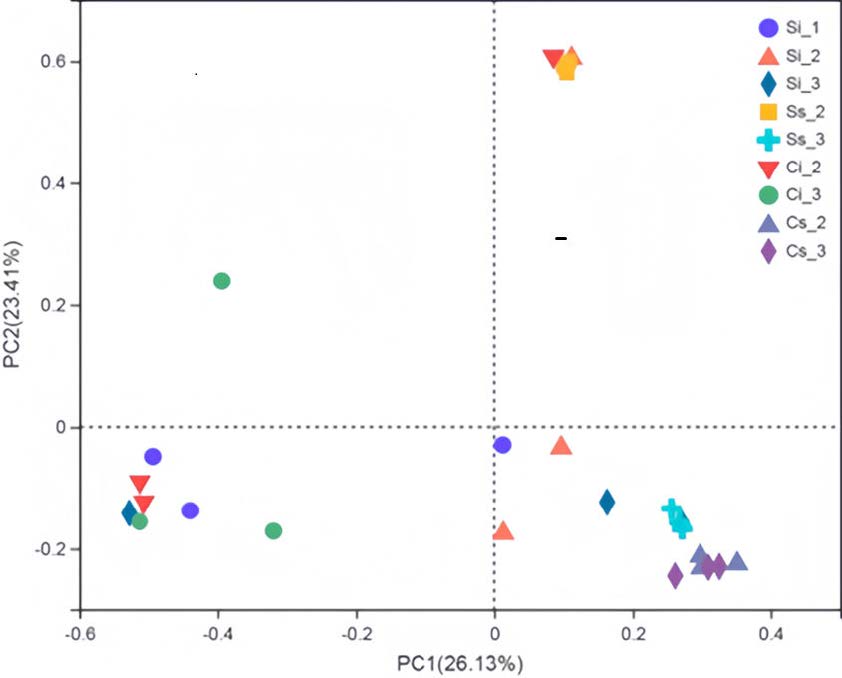
FIG 2 PCoA analysis of bacterial communities. Note: The S is expressed as the Sclerotia, and C represents a mycelium cortices. Si_1: C. chanhua sclerotia cultivated in sterile glass bottle at stage of ossified cicada; Si_2: C. chanhua sclerotia cultivated in sterile glass bottle at cortices formation stage, Ci_2 represents its mycelium cortices; Si_3: C. chanhua sclerotia cultivated in sterile glass bottle at mature period, Ci_3 represents its mycelium cortices. Ss_2: C. chanhua sclerotia cultivated in soil at mycelium cortices formation stage, Cs_2 represents its mycelium cortices; Ss_3: C. chanhua sclerotia cultivated in soil at mature period, Cs_3 represents mycelium cortices.
OTUs shared by sample communities at different cultivation stages in the same environment
At the genus level, the sclerotium and mycoderm samples of C. chanhua cultivated in aseptic glass bottles in different cultivation stages were analyzed by Venn diagram. The results showed that 264 OTUs were detected at the stage of C. chanhua fossilization (Si_1); 552 OTUs were detected in sclerotia and 87 OTUs were detected in mycoderm formation stage; and 170 OTUs were detected in sclerotia and 534 OTUs in mycoderm during C. chanhua maturation (Fig. 3A). The analysis found that there were 47 OTUs in sclerotia and 35 OTUs in mycoderm during the three stages of C. chanhua; the results demonstrated that some bacteria always accompanied the growth and development of C. chanhua. There were more sclerotium bacteria in C. chanhua than in zombie stage during the mycoderm formation stage, and there were fewer bacteria in the mycoderm at this time; with the extension of cultivation time, the number of bacteria in sclerotia decreased gradually, while the number of bacteria in mycoderm increased significantly. It can be inferred that with the growth and development of C. chanhua and the formation of bacterial mycoderm, some bacteria may migrate into the inner sclerotia.
A total of 1,142 OTUs were detected in sclerotia, and 2,097 OTUs were detected in sclerotia of C. chanhua cultivated with mulching soil during the period of mycoderm formation; 942 OTUs were detected in sclerotia and 1,619 OTUs in mycoderm during C. chanhua maturation. On the basis of these results, we can find that the number of bacteria in sclerotia and mycoderm in C. chanhua significantly increased and then decreased due to the complexity of soil environment after the soil covering cultivation of the stiff insects (Fig. 3B). There are 86 OTUs between sclerotia and 819 OTUs in the mycoderm during the growth of C. chanhua, which indicates that some bacteria in sclerotia are retained during the stage of rigor mortis and participate in the whole process of C. chanhua growth and development.
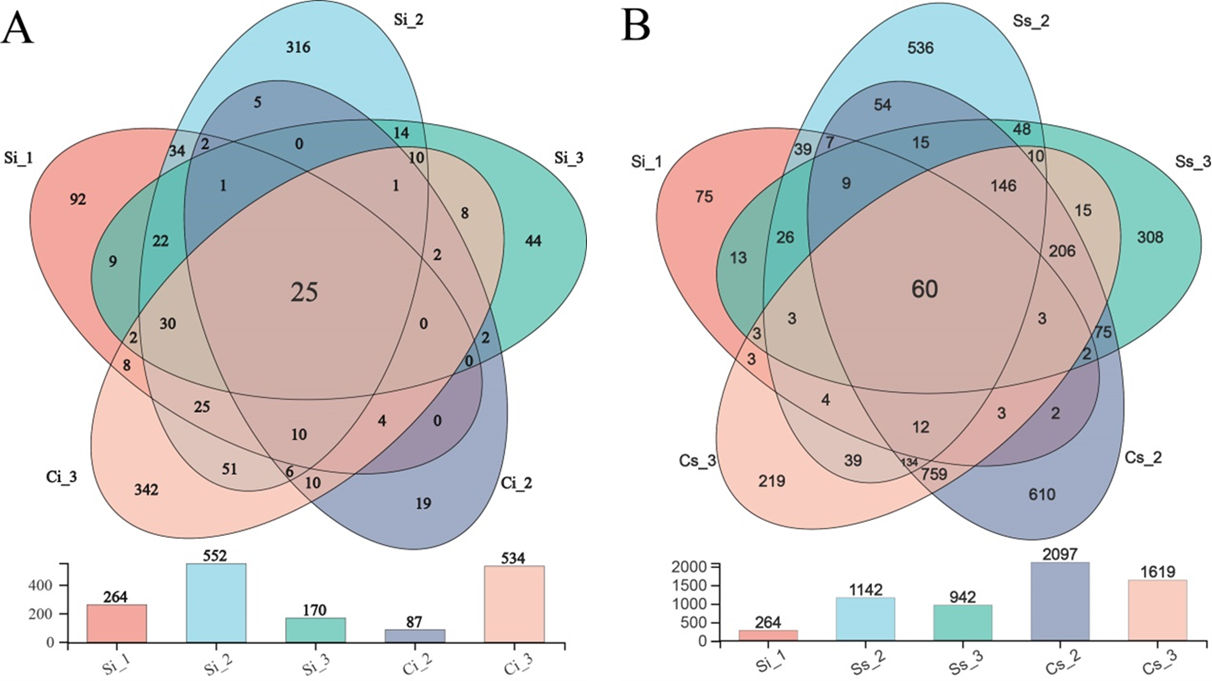
FIG 3 Venn diagram analysis of bacterial communities in C. chanhua at different cultivation stages with OTU level. (A) C. chanhua cultivated in aseptic glass bottle. (B) C. chanhua cultivated in soil.
OTUs shared by bacterial communities in different cultivation environments at the same stage
Venn analysis was carried out on sclerotia and mycoderm of C. chanhua in differen t cultivation environments at the same stage. During the mycoderm formation period, 552 OTUs were detected in sclerotia, and 87 OTUs were detected in the sterile-cultivated C. chanhua; there were 1,142 OTUs for sclerotia and 2,097 OTUs for mycoderm in C. chanhua cultivated with mulching soil. There are 211 OTUs in the inner sclerotia and 48 OTUs in the mycoderm of the two environments, indicating that the bacterial community composition is different in different C. chanhua cultivation environments (Fig. 4A). At the mature stage of C. chanhua, 170 OTUs were detected in the sclerotia and 543 OTUs in the bacterial mycoderm of sterile C. chanhua. There were 942 OTUs for sclerotia and 1,619 OTUs for mycoderm in C. chanhua under mulching cultivation. There are 67 OTUs between inner sclerotia and 98 OTUs between mycoderms, which indicates that the longer the growth time is in different environments, the greater the difference in the composition of bacterial community structure of C. chanhua (Fig. 4B).
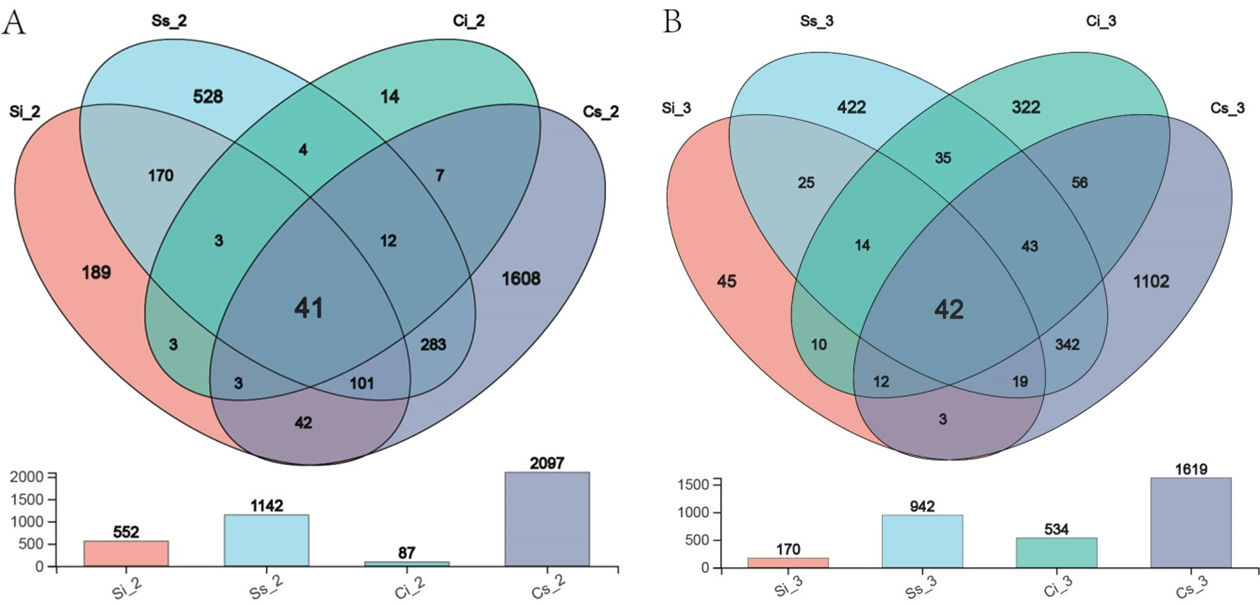
FIG 4 The common analysis of sclerotium and plaque bacterial communities in C. chanhua in different cultivation environments at the same level of OTU classification. (A) C. chanhua at mycelium cortical formation stage. (B) C. chanhua at mature period.
Common genera of bacterial community in C. chanhua samples
At the genus level, a petal diagram was drawn for all sample bacterial communities of C. chanhua in different stages of the two cultivation environments. The results showed that there were 22 genera in all sample bacteria (Fig. 5A), and the pie-shaped distribution diagram of their proportions was shown in Fig. 5B. They are Achromobacter (35.42%), Serratia (24.90%), Pseudomonas (19.33%), Cedecea (6.79%), Enterococcus (5.70%), Bacillus (2.49%), Streptomyces (1.66%), Pantoea (0.90%), and other 14 small bacterial groups. These bacteria were detected in all samples; the results demonstrated that they participated in the whole process of C. chanhua growth and development.
As shown in Fig. 5A, the sample Si_1 has 12 endemic genera, which are unclassified Lactobacillales, Spongiimonas, Tetragenococcus, etc. The sample Si_2 has endemic genera, which are Aequoorivita, Marinilactibacillus, and other 20 genera; Si_3 endemic genera are Cytophaga, Histophilus, Oceanivirga, and Chitinimonas; Ci_2 endemic genera are Paenochrobactrum and Nesterenkonia; and Ci_3 endemic genera are Prevotella, Gelria, Ochrobactrum, Pirellula, and other 59 genera. There are many endemic genera of C. chanhua under mulching cultivation. Ss_2 endemic genera are Candidatus, Rhabdochlamydia, and other 82 genera; Ss_3 endemic genera include 50 genera, such as Proteiniclasticum and Desulfomonile; Cs_2 endemic genera include 26 genera, which are Thermopolyspora, Litorilina, etc.; Cs_3 endemic genera include 16 genera, which are Dyadobacter, Mycoavidus, and Leadbetterella. In addition to 22 bacterial genera participating in the growth and development of C. chanhua in all samples, C. chanhua samples in different environments and stages have their own unique bacterial genera participating in the development of specific periods.
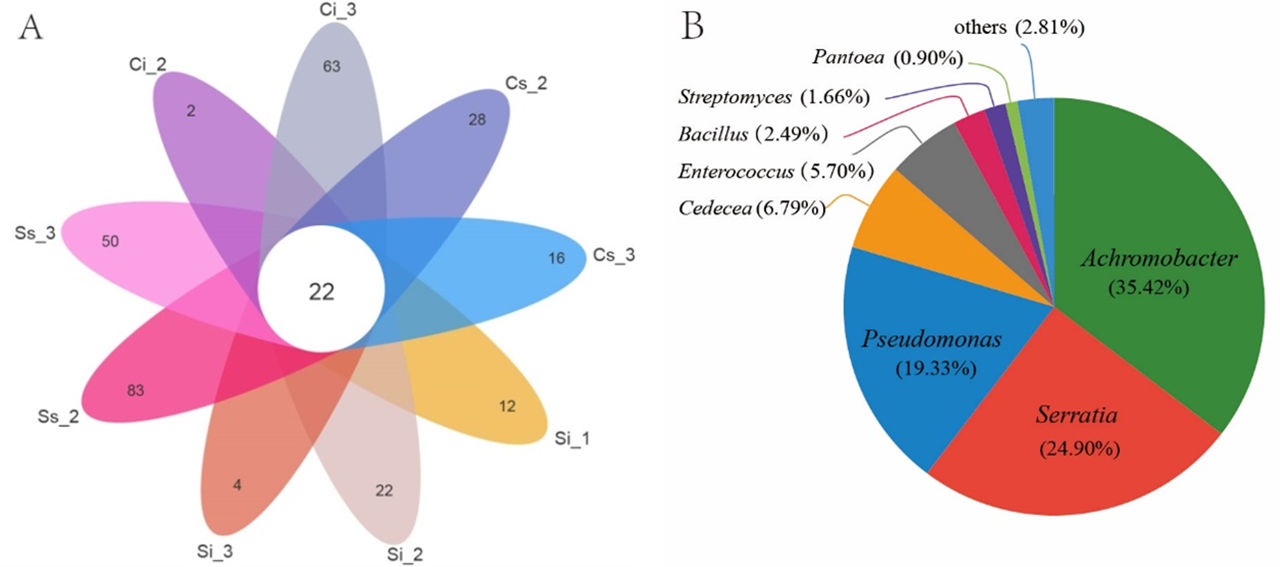
FIG 5 Common genera of bacterial community in C. chanhua samples. (A) Petal diagram of bacterial communities in each sample at the genus classification level. (B) Pie-shaped distribution diagram of the proportion of 22 common genera.
Analysis of differences between groups
The results of the significant difference test between groups showed that there were significant differences among the top 15 bacteria in C. chanhua abundance in different cultivation environments and stages (Fig. 6), including Achromobacter, Pseudomonas, Enterococcus, Bacillus, Morganella, Candidatus_ Rhabdochlamydia, Mycobacterium, Bradyrhizobium, Acidothermus, etc. The abundance of Achromobacter was higher in the later period of cultivation, which was significantly different from that in the rigid stage. However, the abundance of Enterococcus and Bacillus was higher in the zombie stage, and the abundance of the later cultivated samples decreased or disappeared significantly in the middle stage; Mycobacterium, Bradyrhizobium, and Acidothermus almost only appeared in the two stages of mulching cultivation, which was significantly differen t from sterile cultivation. In different cultivation environments, the bacterial communities at different stages of C. chanhua are different, and their functions are also different (Fig. S3 and S4).
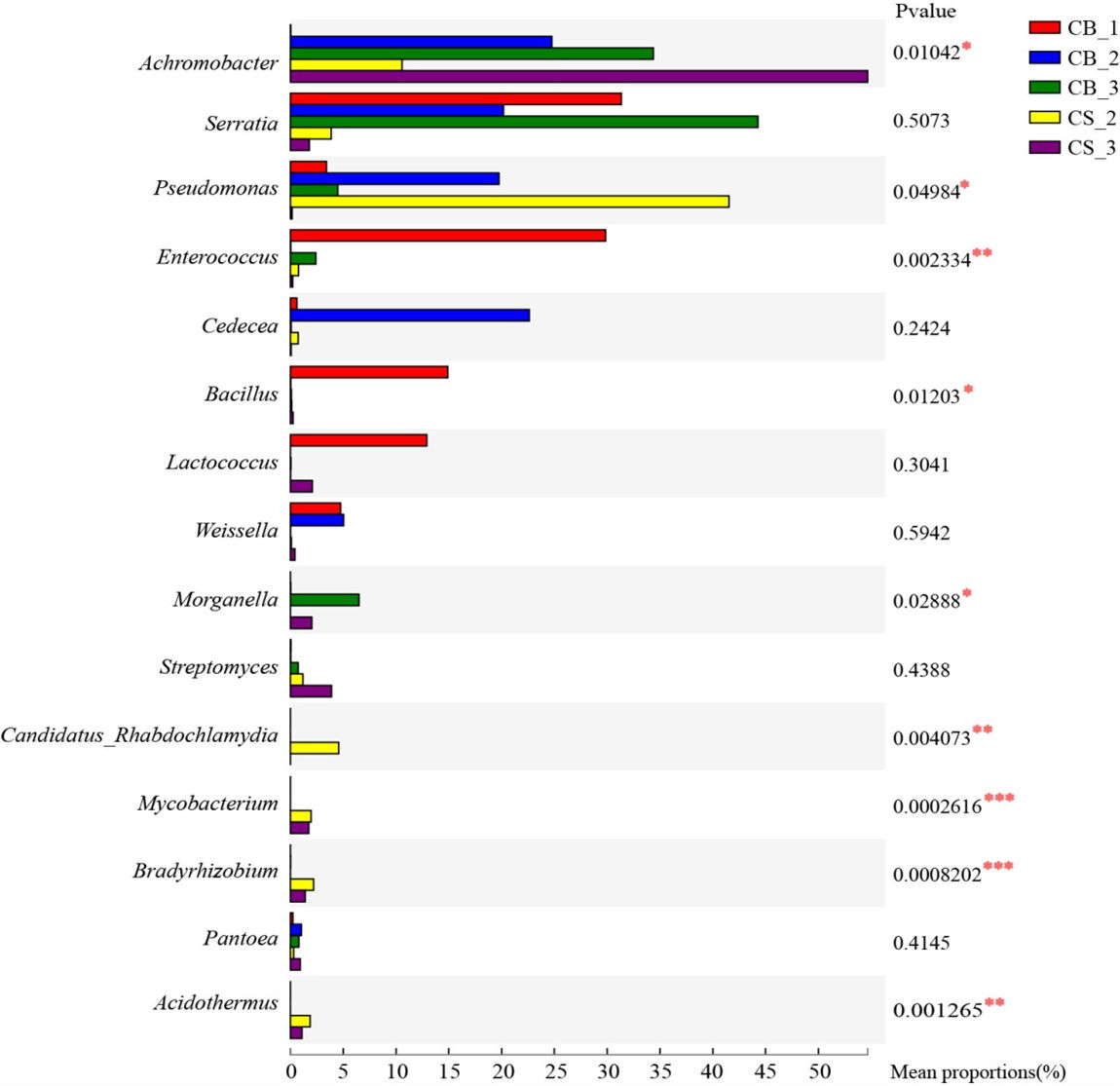
FIG 6 Analysis of significant differences between each sample of artificial cultivation C. chanhua. (CB_1) C. chanhua in the ossified cicada stage. (CB_2) C. chanhua in the sterile glass bottle at mycelium cortical formation stage. (CB_3) C. chanhua in the mature period of sterile glass bottle cultivation. (CS_2) C. chanhua in the soil at mycelium cortical formation stage. (CS_3) C. chanhua in the soil at mature period.
Apparent morphology of C. chanhua mycoderm in soil and atmosphere
Hydrophobicity
The water contact angle of both sterile glass bottle and soil-covered C. chanhua mycoderm is greater than 90° (Table 2), indicating that the mycoderm in both environments is hydrophobic. The hydrophobicity of C. chanhua cultured in sterile glass bottle is significantly stronger than that of the soil-covered C. chanhua mycoderm, indicating that C. chanhua can adjust its hydrophobicity strength to adapt to the environment in different environments.

Weight and thickness of mycoderm
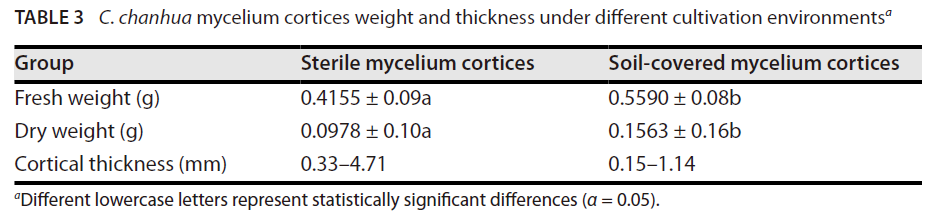
The fresh/dry weight of C. chanhua mycoderm cultivated with soil mulching is significantly higher than that of C. chanhua mycoderm cultivated in sterile glass bottles (Table 3). The thickness of the mycoderm, however, is smaller than that of the latter, which is probably due to the fact that the mycoderm of C. chanhua cultivated with soil mulch adheres to, or is encased in, some small soil particles during the formation process, and is therefore of larger mass. However, the formation of C. chanhua mycoderm in soil mulching culture may be affected by soil factors. The growth of C. chanhua mycoderm in aseptic culture is unrestricted in glass bottles, so the thickness of soil mulched with mycoderm is significantly smaller than that of aseptic mycoderm.
Hyphal arrangement and structure
As shown in Fig. 7, the mycoderm arrangement of C. chanhua mycoderm under aseptic cultivation and soil mulching cultivation is quite different under a scanning electron microscope. The hyphae of C. chanhua mycoderm under aseptic cultivation are arranged in a close and orderly manner (Fig. 7A–C), while the hyphae of C. chanhua mycoderm under soil mulching cultivation are arranged in a disorderly manner (Fig. 7G–I); this may be due to the complex soil environment, which has a certain blocking effect on the growth of hyphae, leading to the disordered arrangement of hyphae. However, the hyphae of C. chanhua under aseptic cultivation can grow smoothly without external force, so they are arranged in order. In addition, no matter what kind of environment, C. chanhua mycoderm is mostly connected by H-type hyphal bridge (Fig. 7D–F, J, and L).
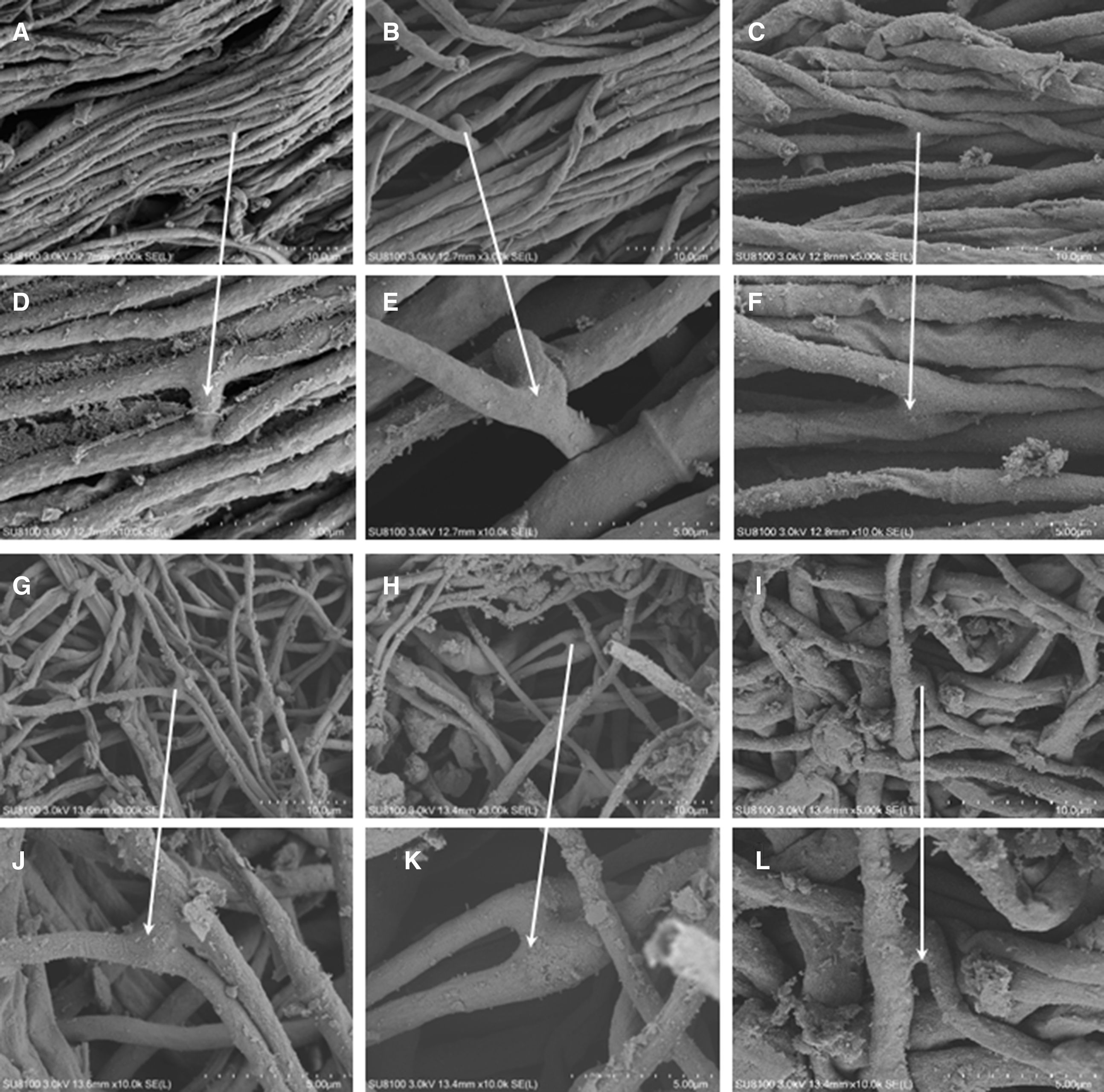
FIG 7 Scanning electron microscope pictures of C. chanhua mycoderm. (A–C) 10 µm and (D–F) 5 µm: the arrangement and connection of the hyphae of C. chanhua in sterile glass bottle cultivation under scanning electron microscope. (G–I) 10 µm and (J and L) 5 µm: the arrangement and connection of the mycelium of the C. chanhua under the scanning electron microscope.
Hyphal density
It can be seen from Table 4 that the average number of hyphae of the soil-covered C. chanhua per slice is 17.33 and the density is 0.01289. The number of hyphae of C. chanhua cultivated in sterile glass bottle was 25.67, and the density was 0.01909. The analysis of variance showed that the density of hypha in sterile culture was significan tly higher than that in soil mulching culture.

Filtration effect of C. chanhua mycoderm on bacteria
Interestingly, we discovered that after the soil stock solution (S0) is coated, the average total number of single colonies is 275.00 CFU/mL and the average total number of single colonies of 600 mesh nylon mesh filter solution (S1) is 148.33 CFU/mL (Table 5), which is significantly different from the soil stock solution. This may be because some bacteria are filtered off by the nylon mesh or absorbed by the nylon mesh, resulting in a significant reduction in the number of bacteria. Nevertheless, after coating and culturing the mycodermfiltered soil suspension (S2), only a few single bacterial colonies grew, with an average value of 3.33 CFU/mL, indicating that most of the bacteria failed to pass through the mycoderm. There is no single bacterial colony growth in the sterile water filtrate (Sck) filtered by mycoderm, eliminating the influence of bacteria in the mycoderm. It can also be seen from the growth of microorganisms in the culture medium that the number of bacteria is S0 > S1 > S2 > Sck. After coating and culturing the soil stock solution and sterile water filtrate filtered by the bacterial mycoderm, some C. chanhua spore powder germinates and grows in the culture medium (Fig. S5).
The C. chanhua mycoderm can transport nitrogen
Distribution and flow direction of 15N in insects, mycoderms and soil
After inoculation of silkworm pupa with L-glutamine-15N + conidia suspension, the total nitrogen content in the body of the stiff worm is 10.16%, and the atomic percentage of 15N is 0.3785% (Table S1). After mulching cultivation, the total nitrogen content in the mycoderm formed in the later stage was 8.12%, and 15N was detected in both the mycoderm and the unlabeled soil, indicating that C. chanhua could transfer 15N atoms out of the insect body with the formation of the hypha of the mycoderm. Although the 15N content in the soil of the treatment group and the control group had no significan t difference, the nitrogen content in the soil of the treatment group was higher than that of the control group; these results indicated that the presence of C. chanhua mycoderm promoted the transportation of nitrogen.
The δ15N values can be used to determine the enrichment degree of 15N isotope in each sample compared with the standard, and the results show that δ15N is positive, indicating that 15N is enriched in each sample to a certain extent. Before soil covering, sclerotia in C. chanhua δ15N‰ value is 26.45‰; the δ15N values of inner sclerotia and mycoderm are 32.56‰ and 33.05‰, respectively. The concentration of 15N in C. chanhua samples was significantly higher than that in soil (Fig. 8A), while there was no significan t difference in the concentration of 15N in soil between the experimental group and the control group, which may be due to the long-term cultivation of C. chanhua and the space limitation of plastic cups, resulting in a small number of microorganisms in the soil, which led to less absorption of nitrogen in the soil.
Distribution and flow direction of soil 15N in soil, mycoderm, and insect
The percentage of 15N atoms in the soil treated with L-glutamine-15N is 0.4003% (Table S2). After the C. chanhua inoculated and injected stiff insects are covered with soil, the percentage of 15N in the soil is significantly reduced to 0.3765%; the results showed that 15N in the soil had obviously transferred and 15N was detected in the mycoderm and inner sclerotia samples, proved that C. chanhua absorbed nitrogen in the soil during the growth process and the 15N content in the mycoderm was significantly higher than that in the inner sclerotium samples, and showed that C. chanhua mainly absorbed nutrients from the surface mycoderm for the growth and reproduction of its own mycoderm.
The δ15N value was D1 > D2 > D3, which indicated that the enrichment of 15N in soil, mycoderm, and inner sclerotia decreased significantly in turn (Fig. 8B). In the sclerotium sample (D3) in the treatment group, δ15N is only 0.58‰, indicating that 15N is slightly enriched, but in the control group, the δ15N value is negative −0.41‰, indicating that the 15N isotope is depleted compared with the standard.
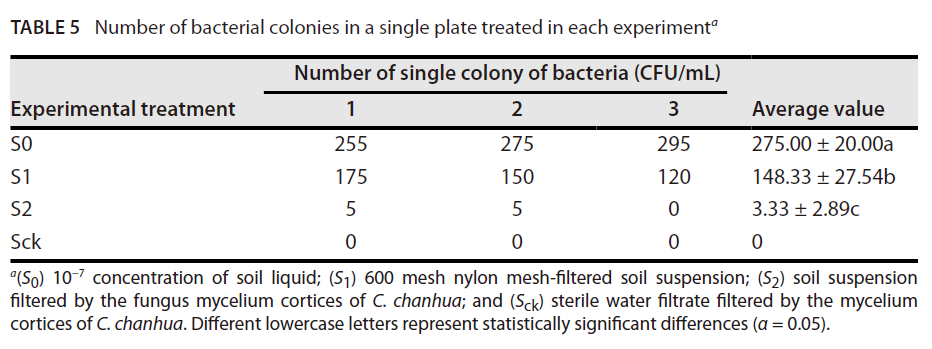
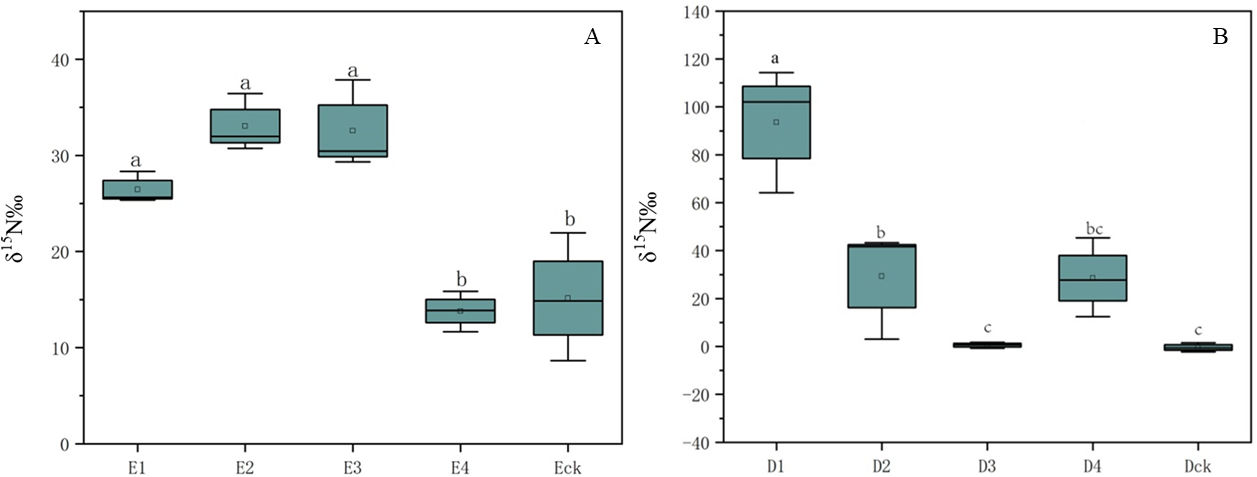
FIG 8 δ15N values in different samples in Experiments D and E. (A) δ15N flows from C. chanhua to soil samples. (B) δ15N flows from soil to C. chanhua samples. Note: (E1) L-glutamic acid-15N + C. chanhua injected into silkworm pupa; (E2) C. chanhua membrane; (E3) internal sclerotium sample; (E4) soil within 2 cm of the C. chanhua; and (Eck) no injection of C. chanhua body soil within 2 cm. (D1) L-glutamic acid-15N-treated labeled soil; (D2) C. chanhua membrane; (D3) internal sclerotium sample; (D4) soil within 2 cm of the C. chanhua; and (Dck) the body of the C. chanhua not injected. Different lowercase letters represent statistically significant differences (α = 0.05).